Studio Portrait Photography in Stockholm: Exploring Light, Mood & Character
Studio photography gives you total control over light, shadow, tone, and the emotion of every shot.
This Autumn, I joined a Glide Photos workshop at Studio Tellus in Stockholm, working with talented models, makeup from Maria Vinnardag and lots of experimenting with various lighting setups, props, and creative directions.
It was a refreshing contrast to my usual street and travel photography, where my goal is often to catch the balance of natural light, movement and candid moments. On the street or at a new travel location my goals are to observe and document scenes around me without interfering or directing… But in the studio, every placement of light, every small adjustment and intentional pose from a model changes the feeling of the photo.
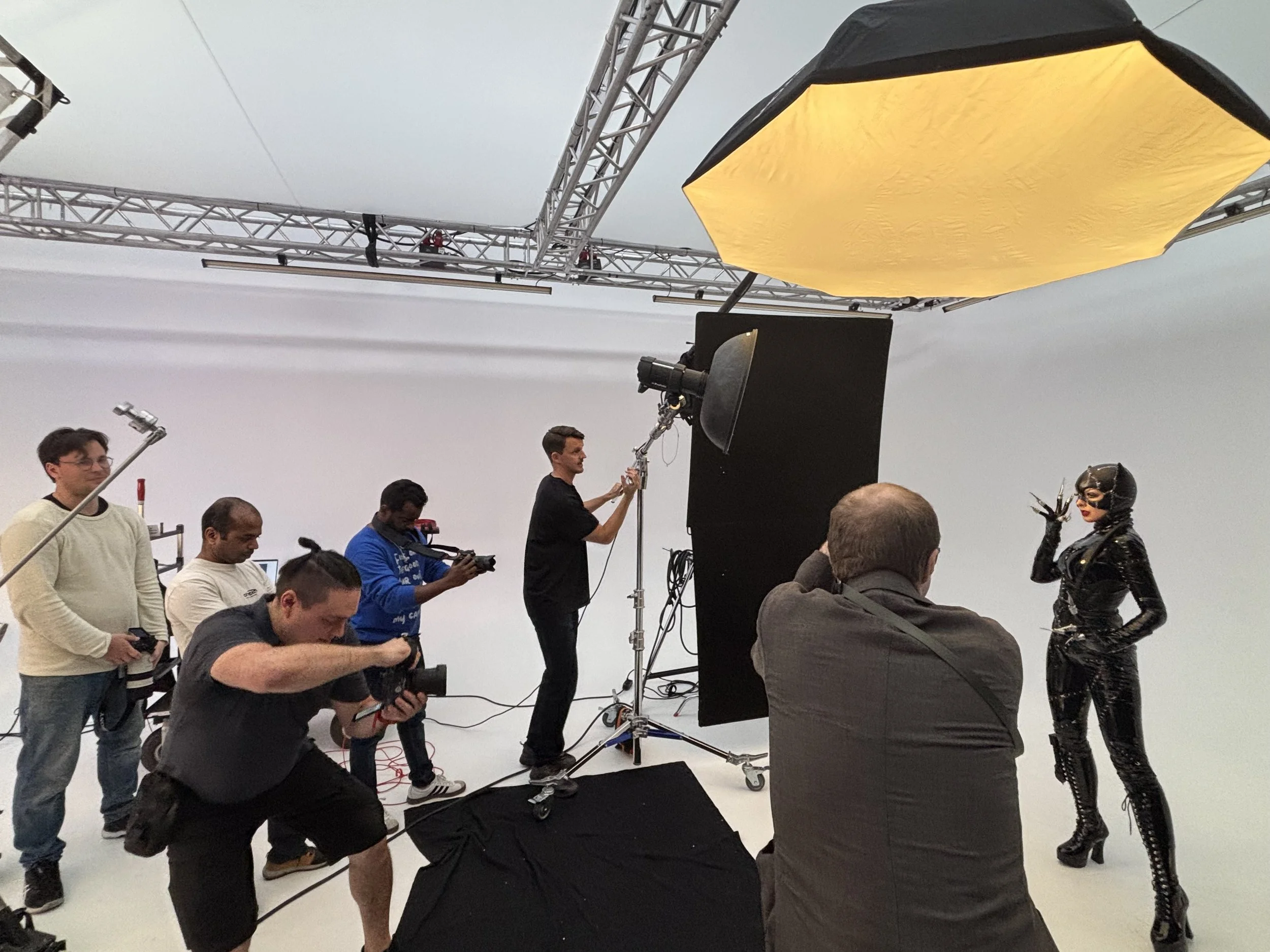
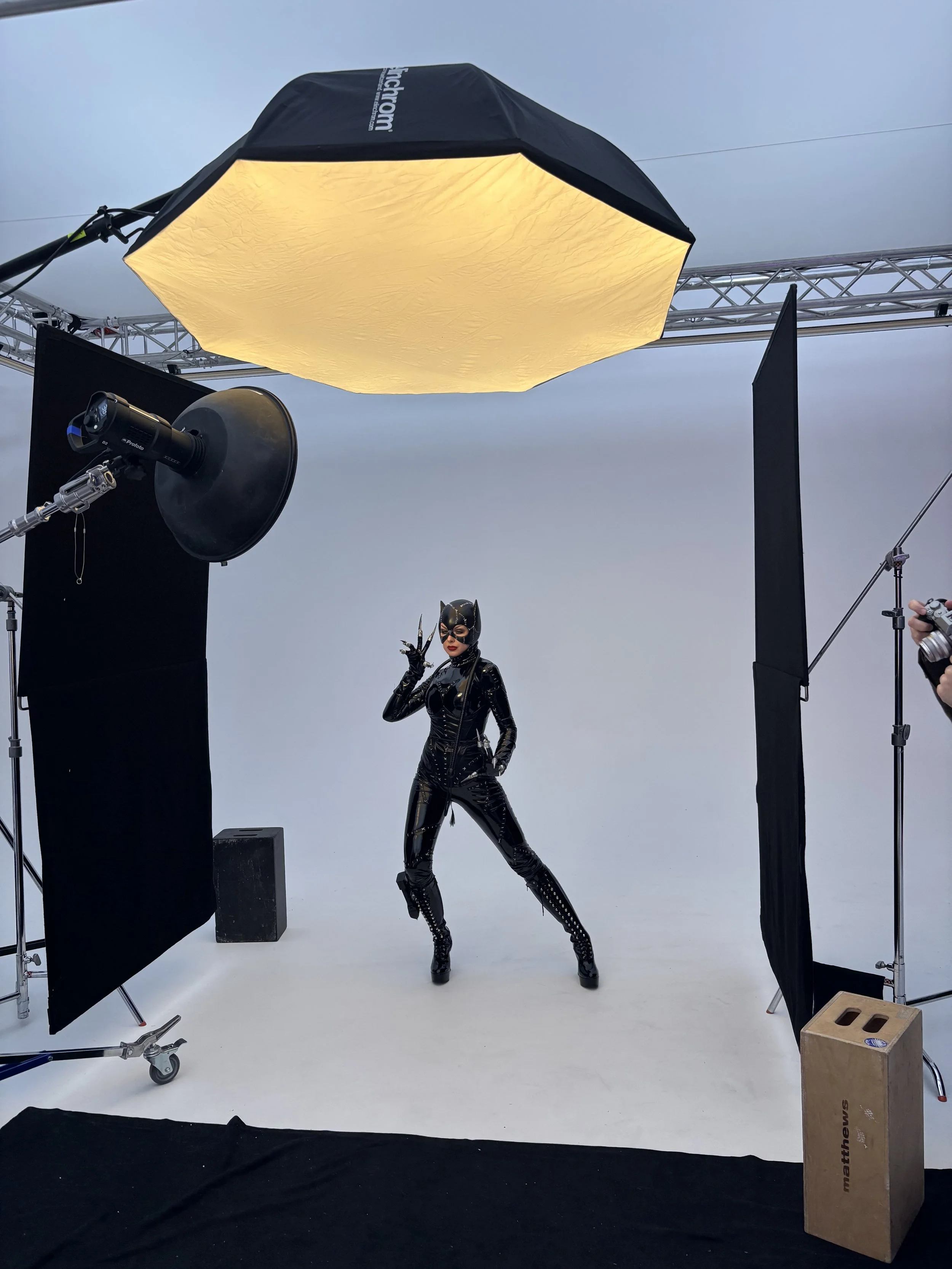
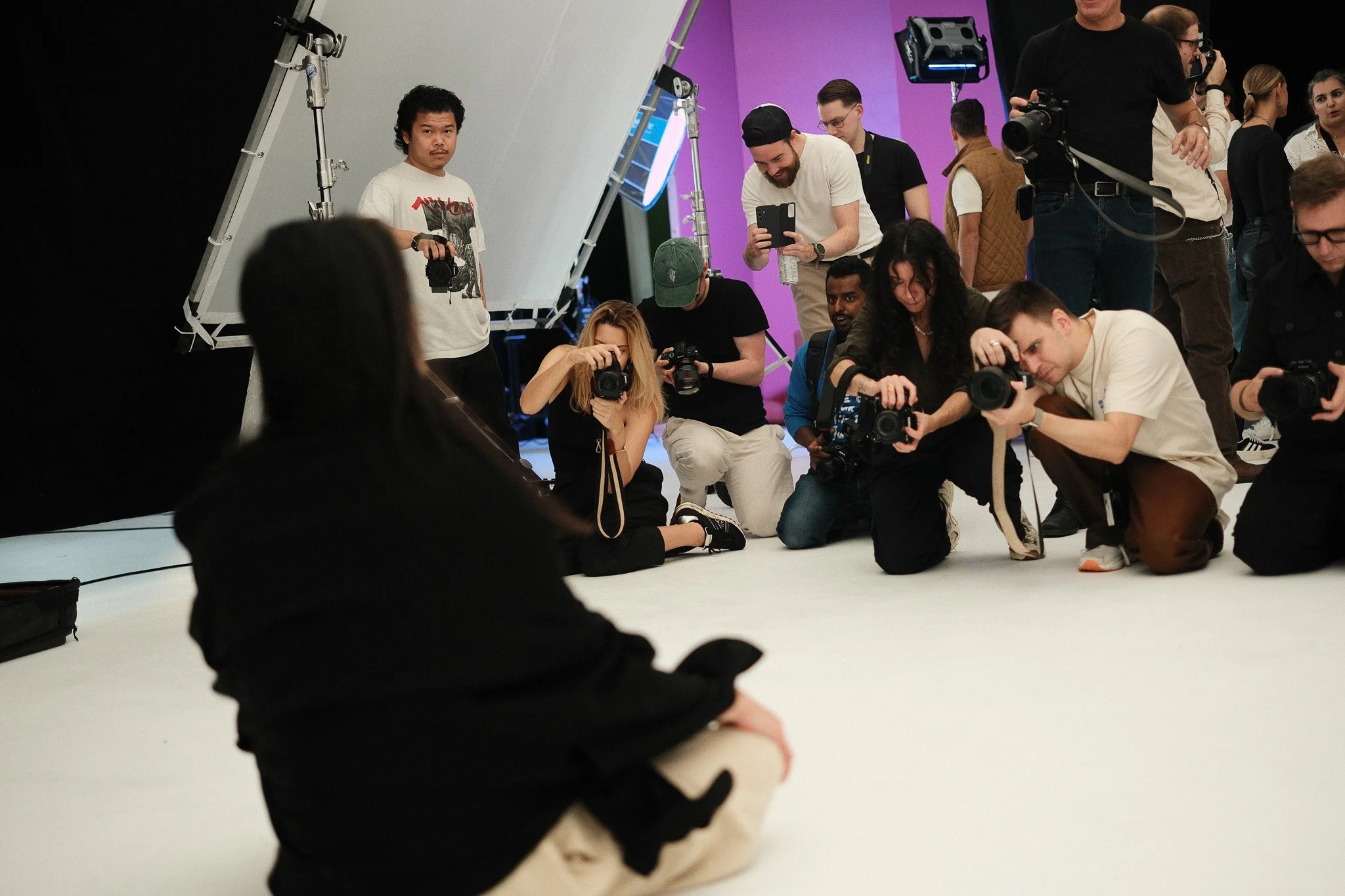
Studio Tellus in Stockholm, with Nea posting for the photographers.
TL;DR
This post summarises a workshop at Studio Tellus in Stockholm, photographing six models using the Fujifilm X-T5 and XF 33mm f/1.4 and 23mm f/2 lenses.
Throughout the session, I explored how lighting and setup choices shape the mood and tone of portraits, from cinematic to soft and natural.
This post shares some of my favorite shots, what I learned about lighting and collaboration, and a few practical insights for anyone exploring studio photography in Stockholm.
Contents:
The Studio Experience at Studio Tellus, Stockholm
Studio Tellus is a fully equipped space in southern Stockholm known for its clean backdrops and flexible lighting setup.
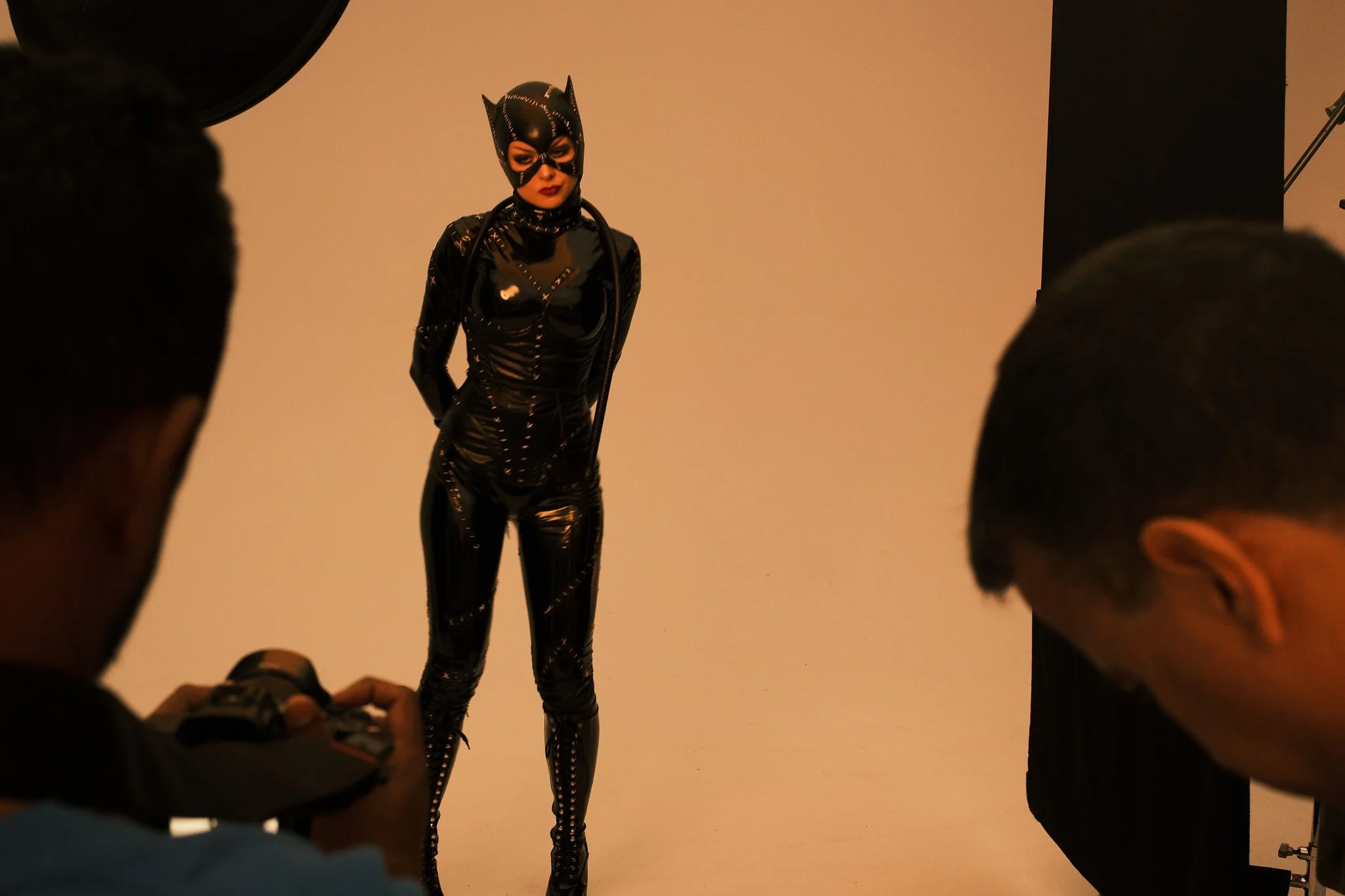
Throughout the day, we explored how light can completely transform a portrait, from soft and natural tones using diffused lighting to dramatic high-contrast setups that create cinematic tension.
I shot mainly with the Fujifilm X-T5, using the XF 33mm f/1.4 for detailed, sharp portraits, and the XF 23mm f/2 when I wanted a wider perspective or environmental context.
Working with Light and Mood
One of the best things about studio photography is that you can shape the story through light.
A softbox close to the subject adds warmth and intimacy. Move it further back, and the light becomes harsher, adding drama or mystery.
By changing a single light, you can move from editorial-style elegance to moody cinematic portraits.
Props, even simple ones like a chair, piece of fabric, or mirror can create new layers of meaning and help the model express different sides of their personality.
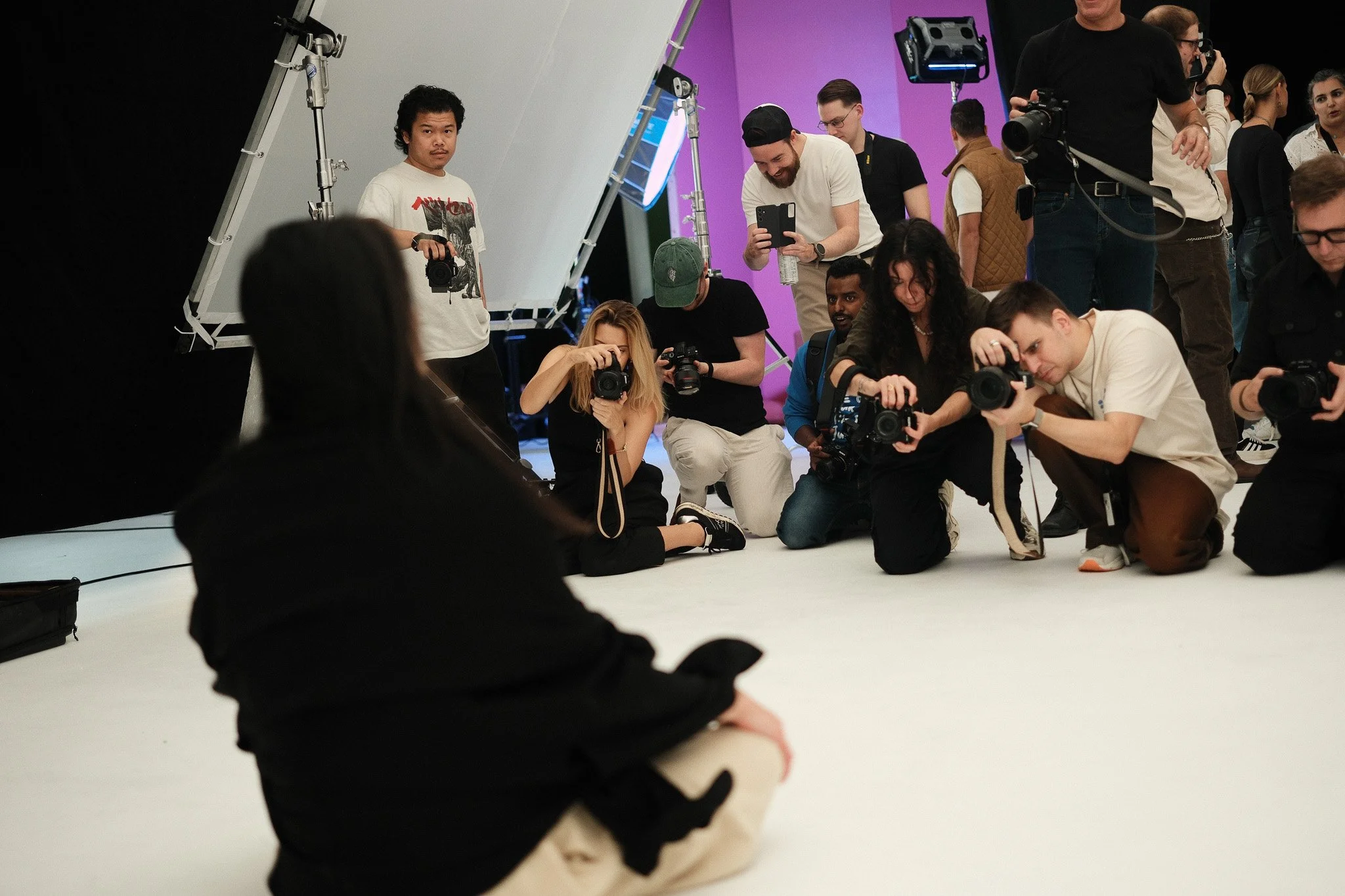
Behind the scenes at Studio Tellus. The group photographing Victor
Meet the models
-
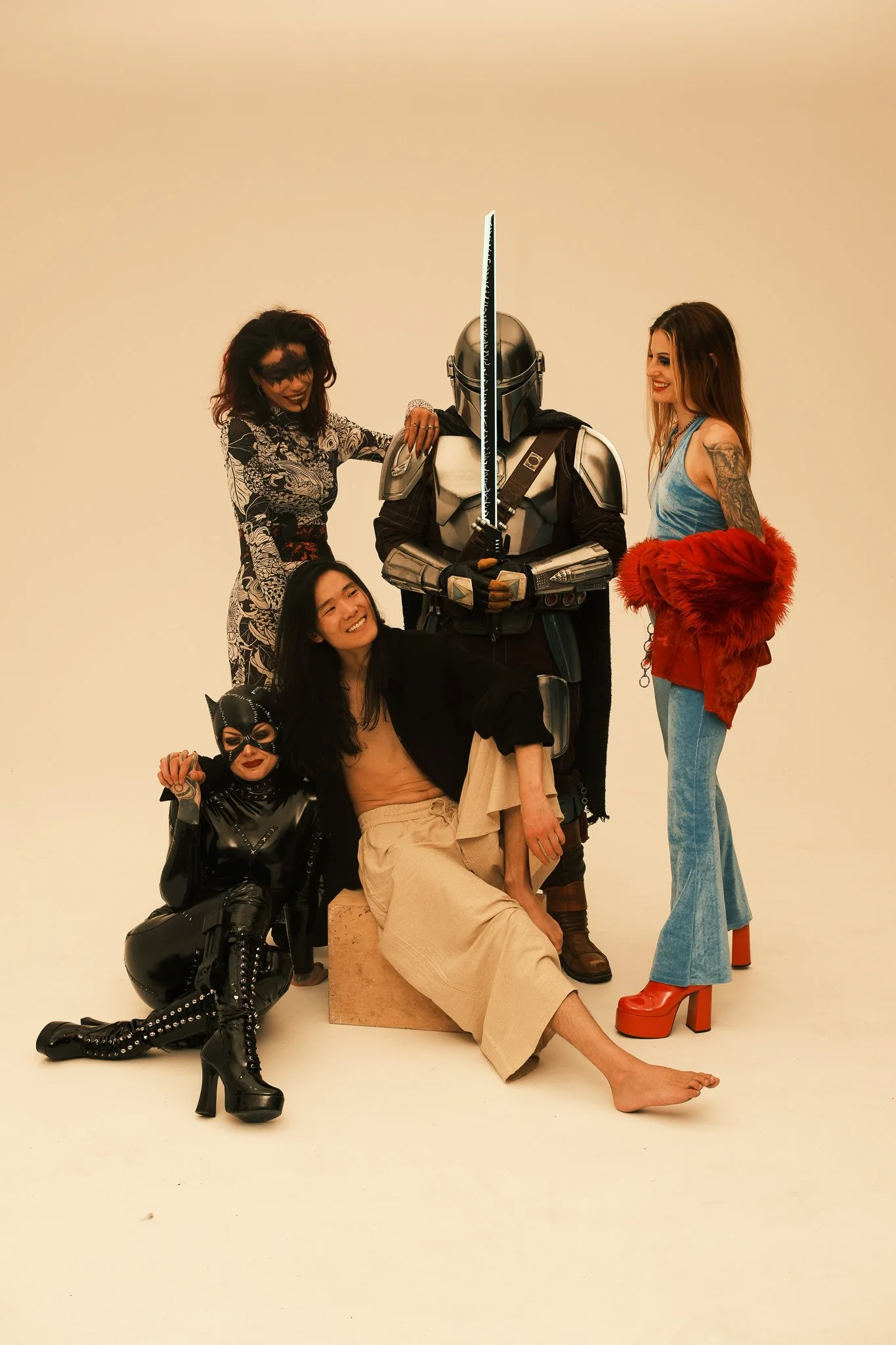
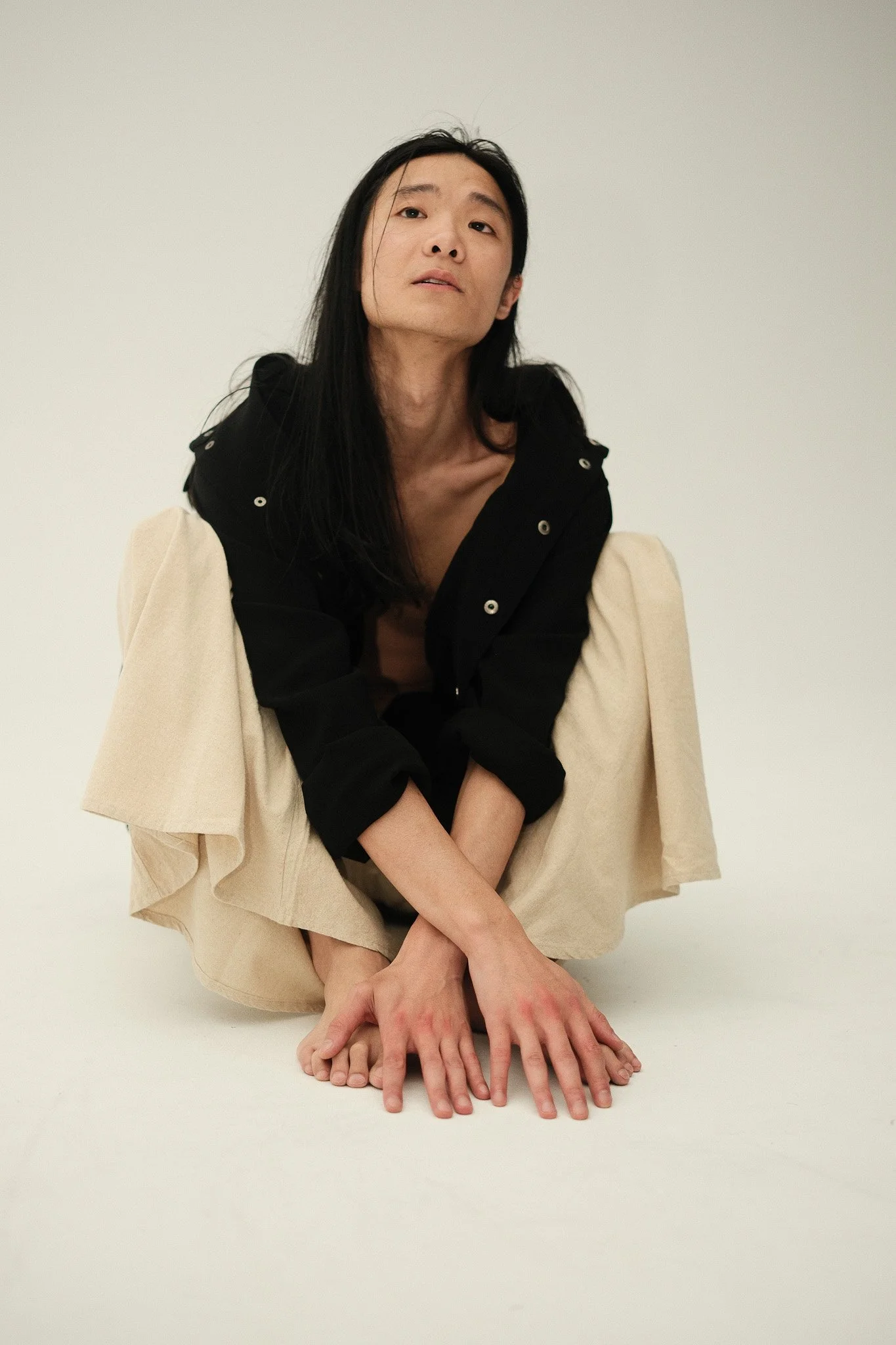
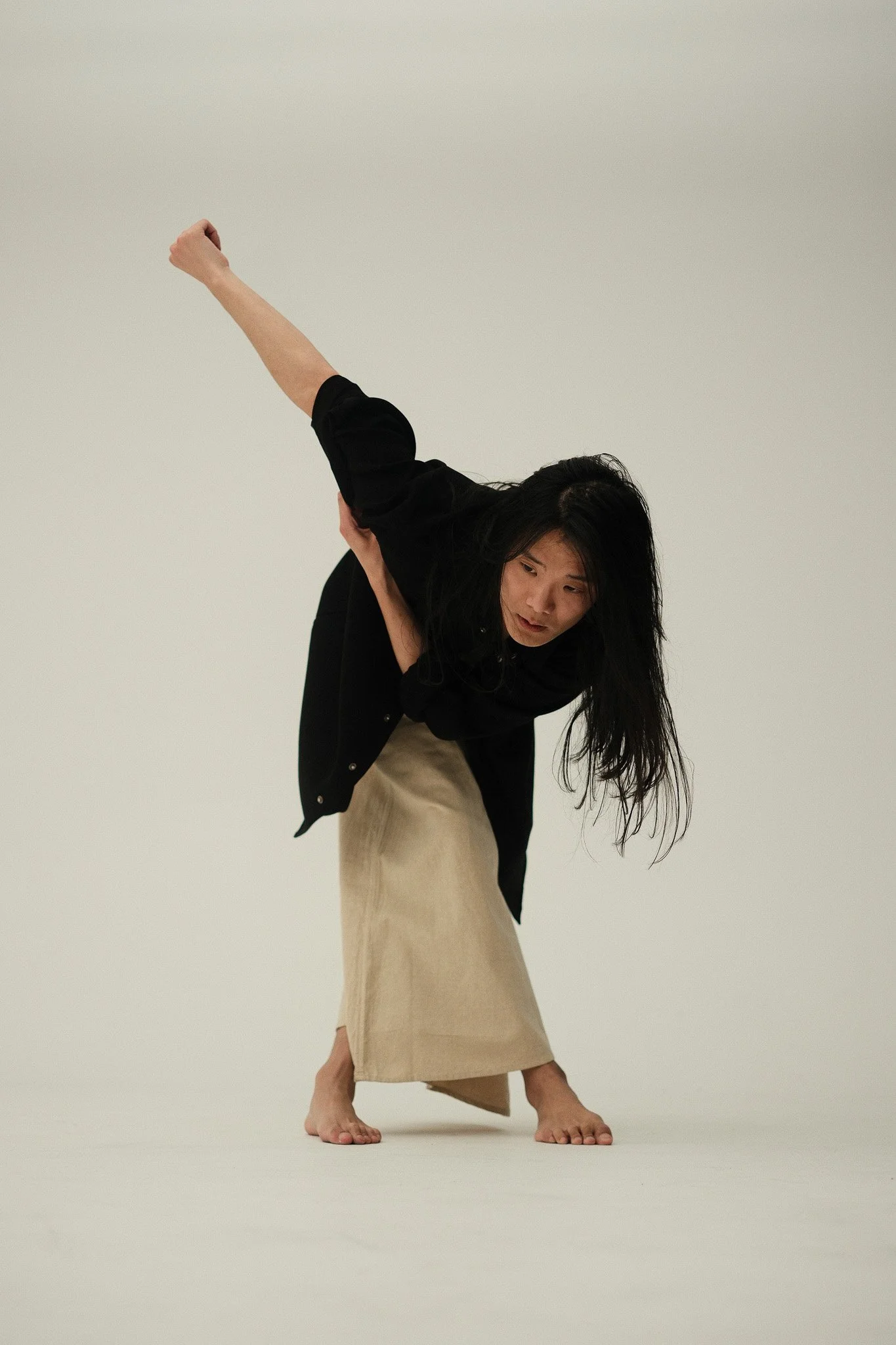
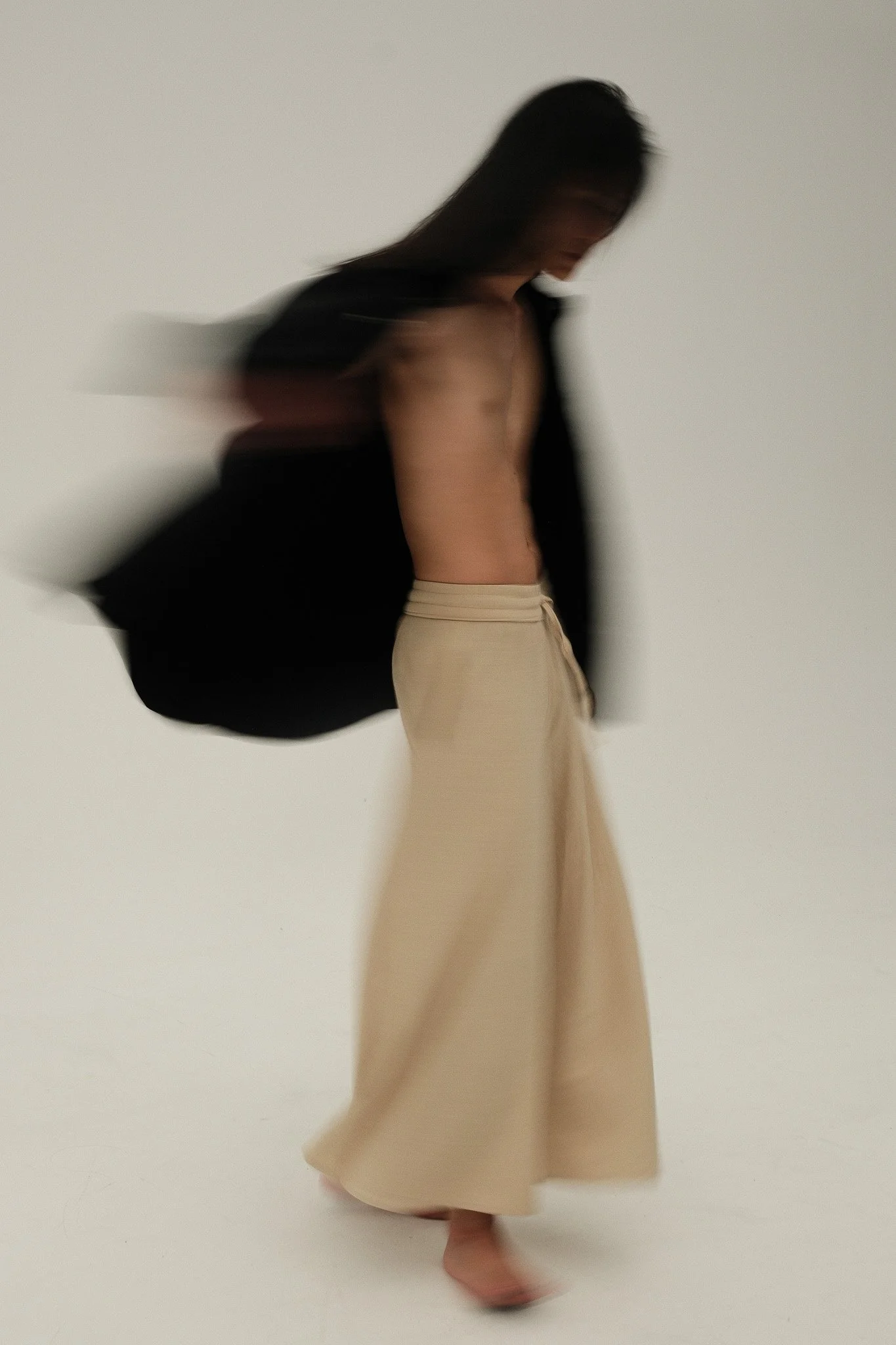
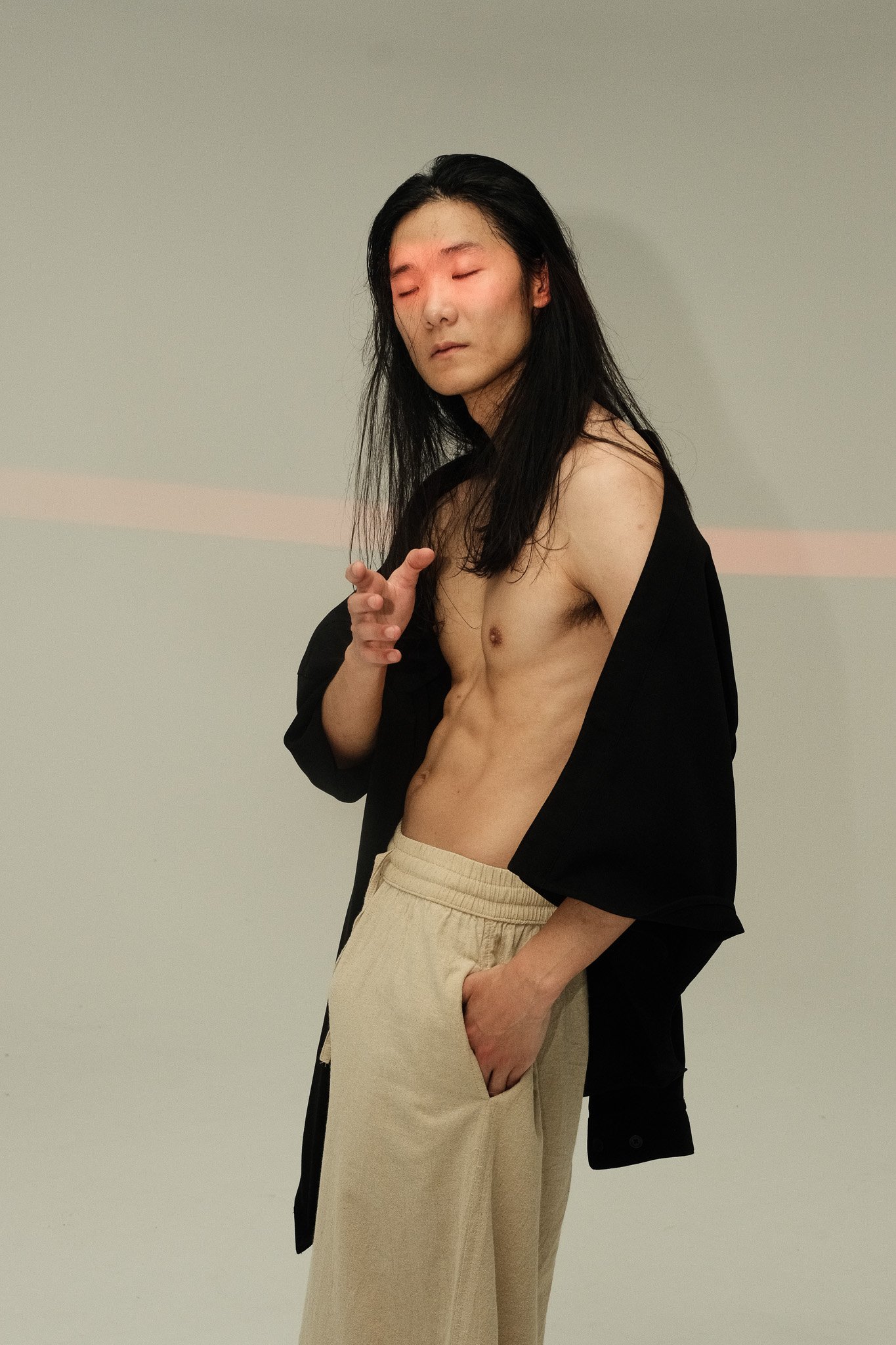
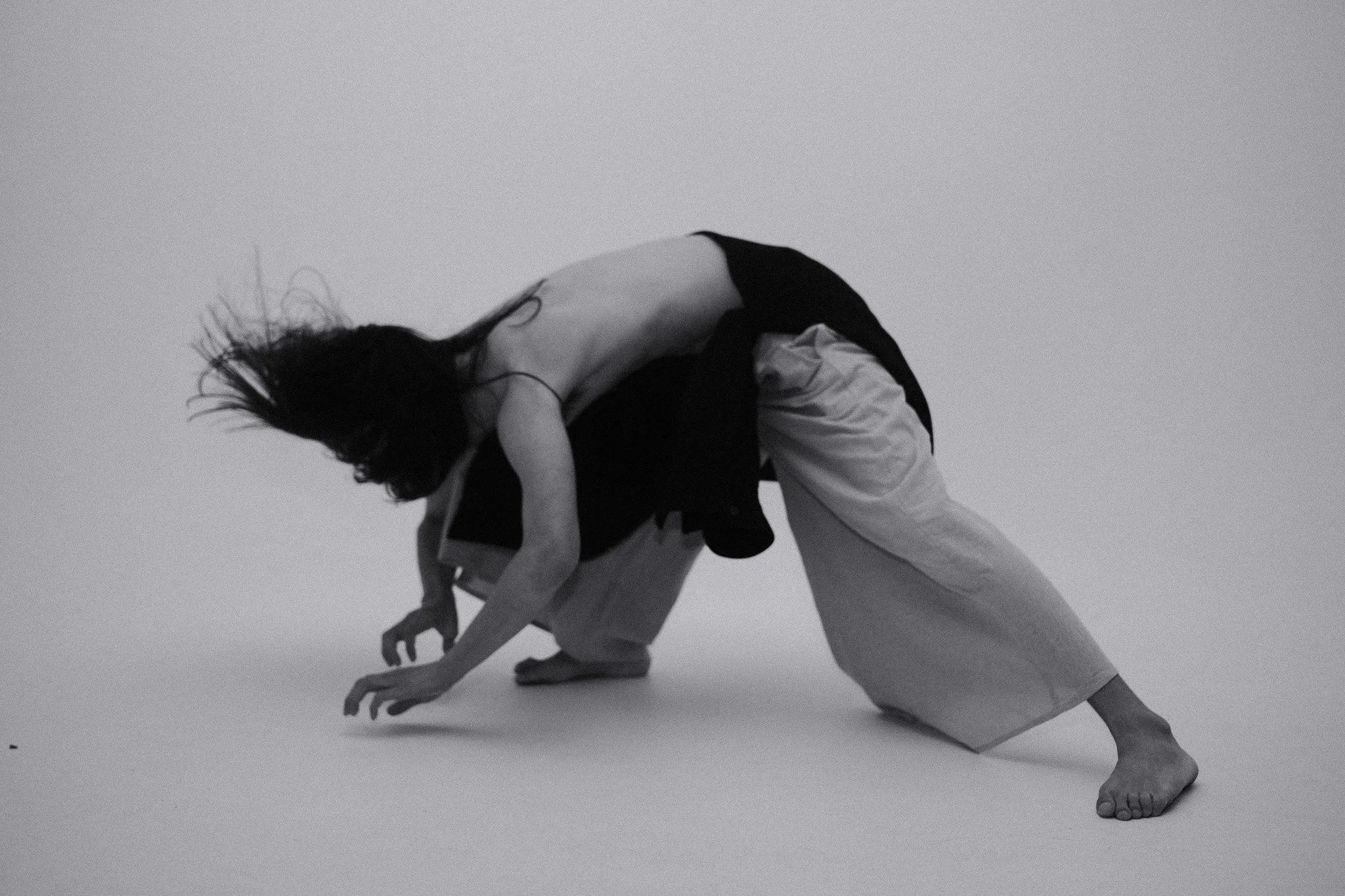
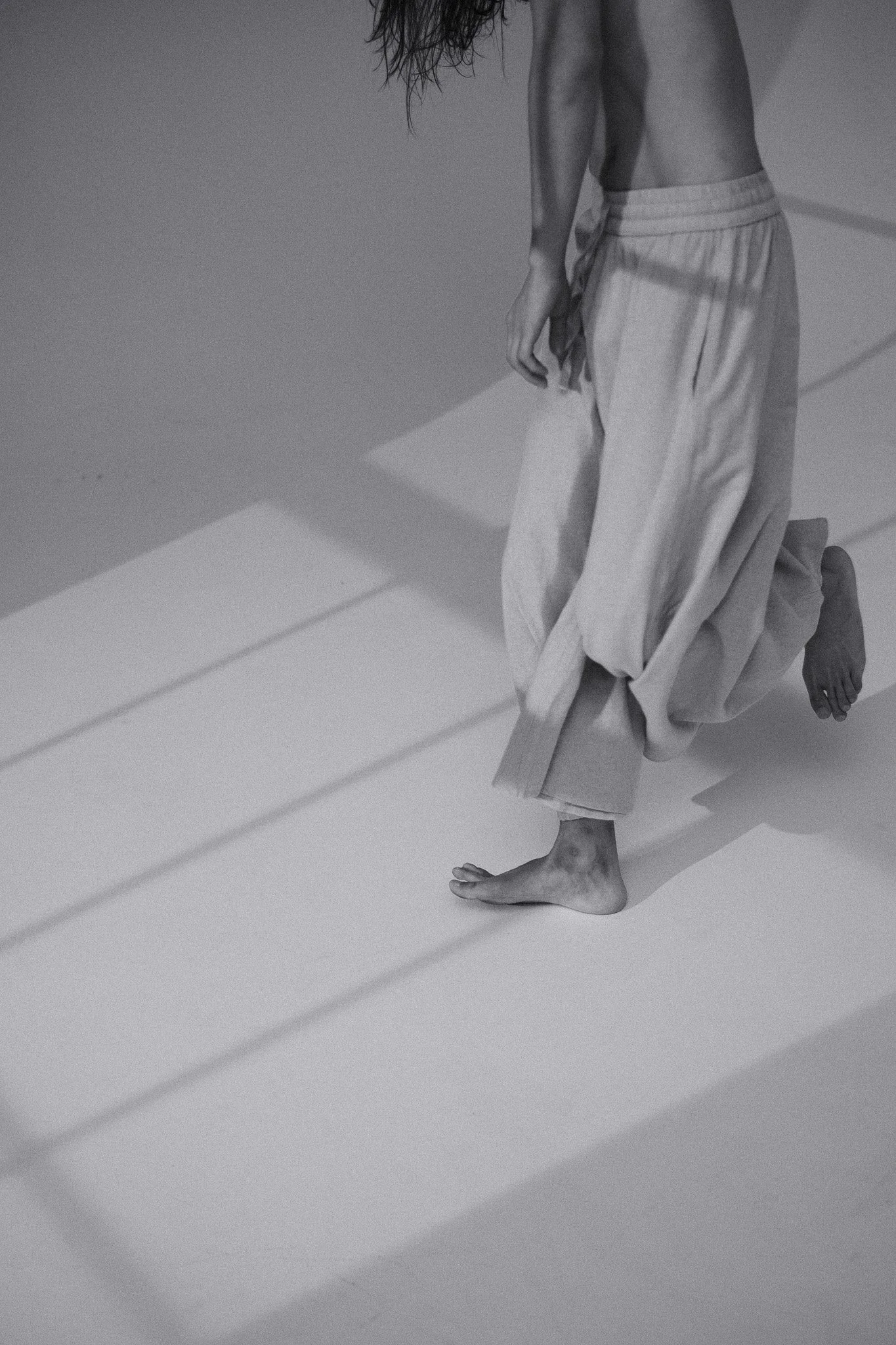
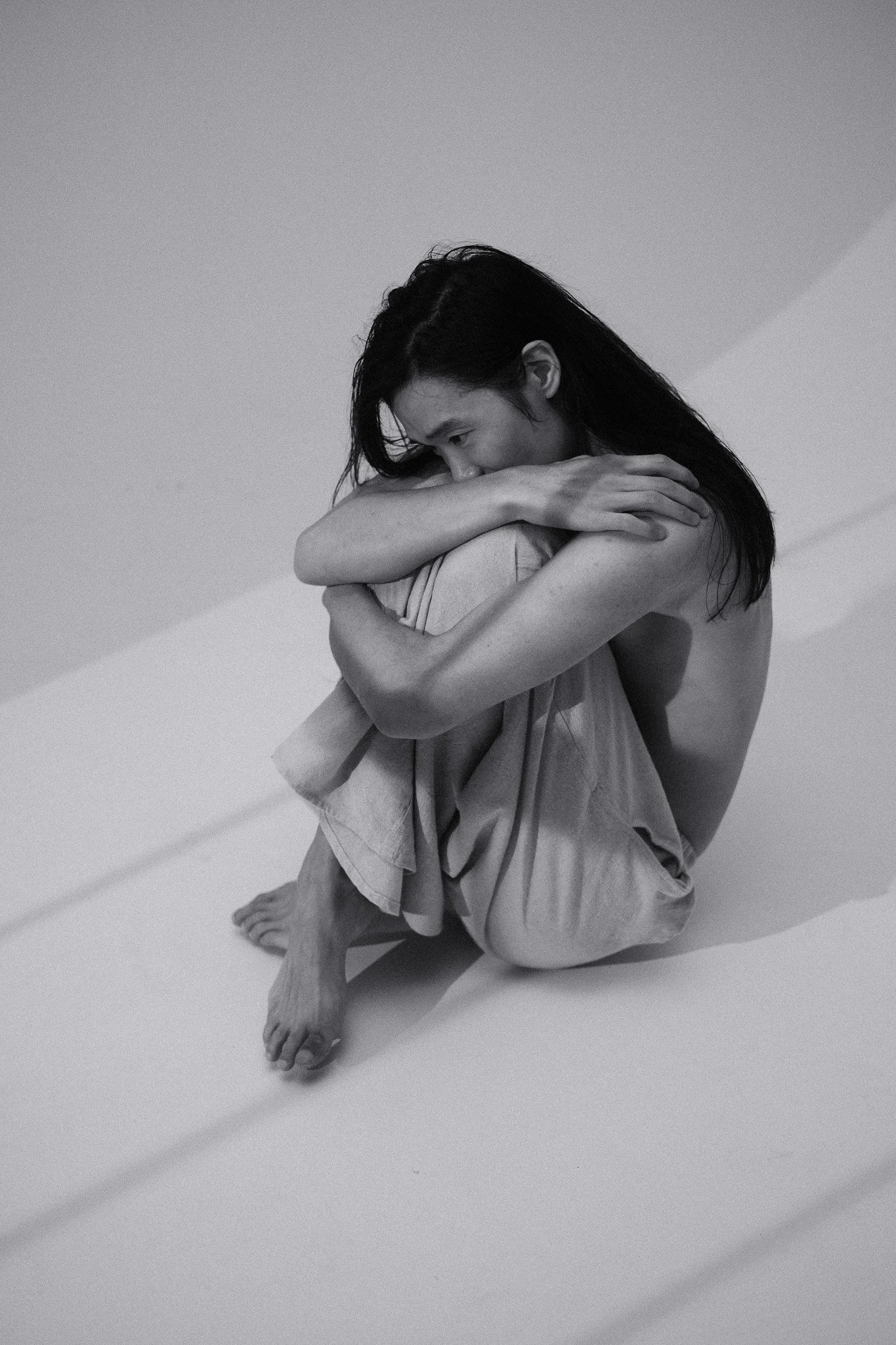
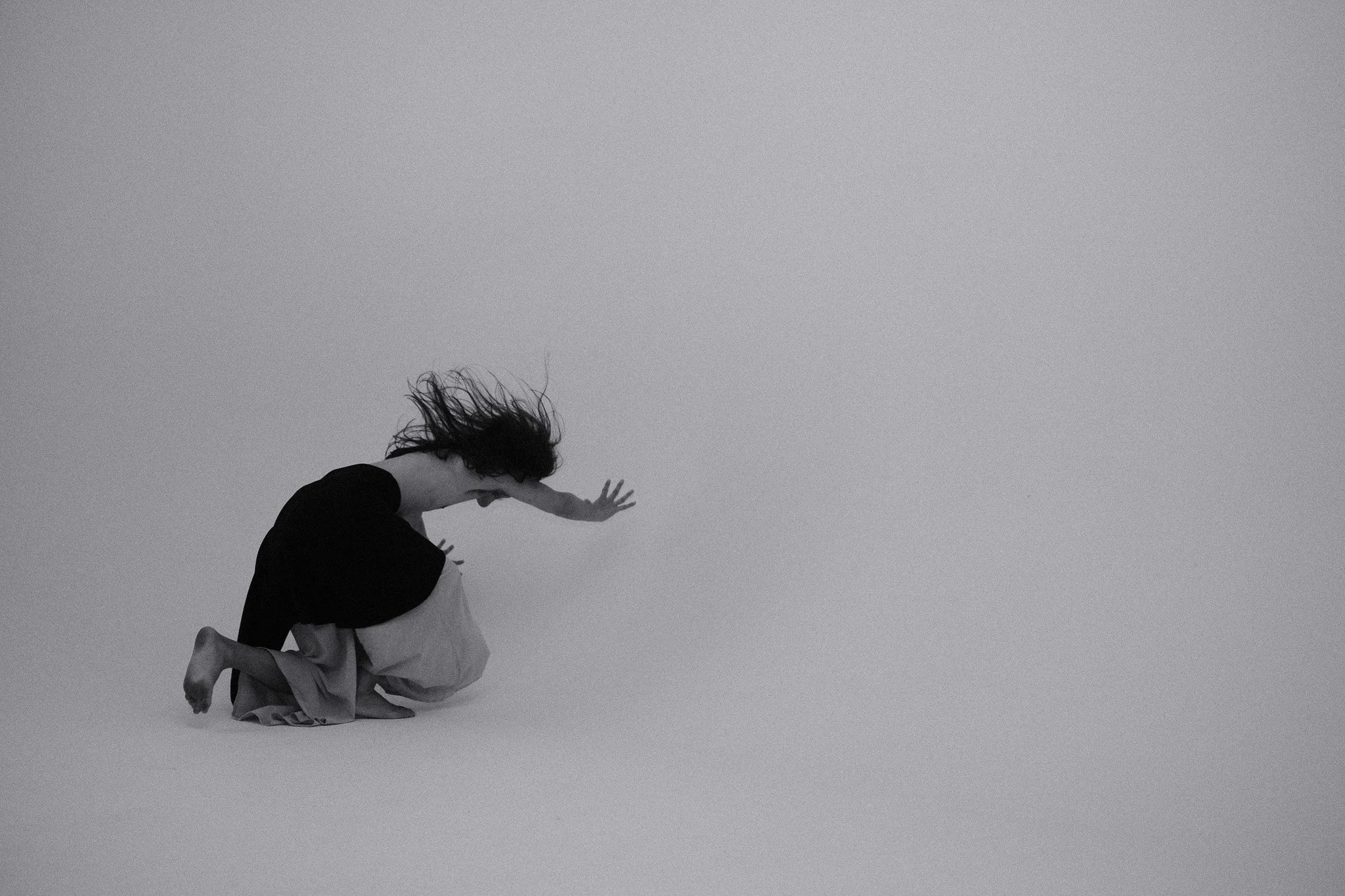
Victor Chen: A versatile model who worked with movement and emotion, adding depth and variety to every setup.
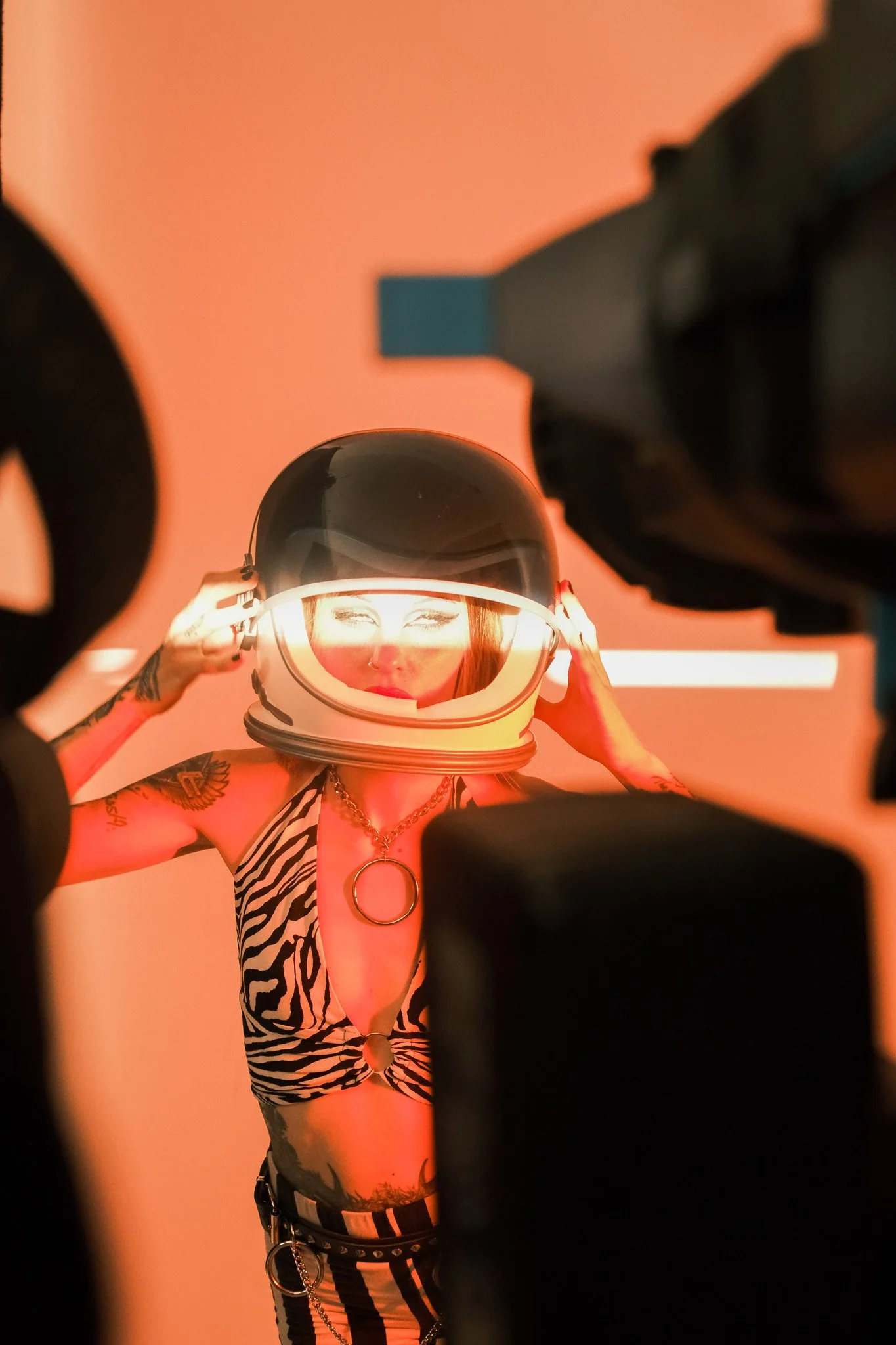
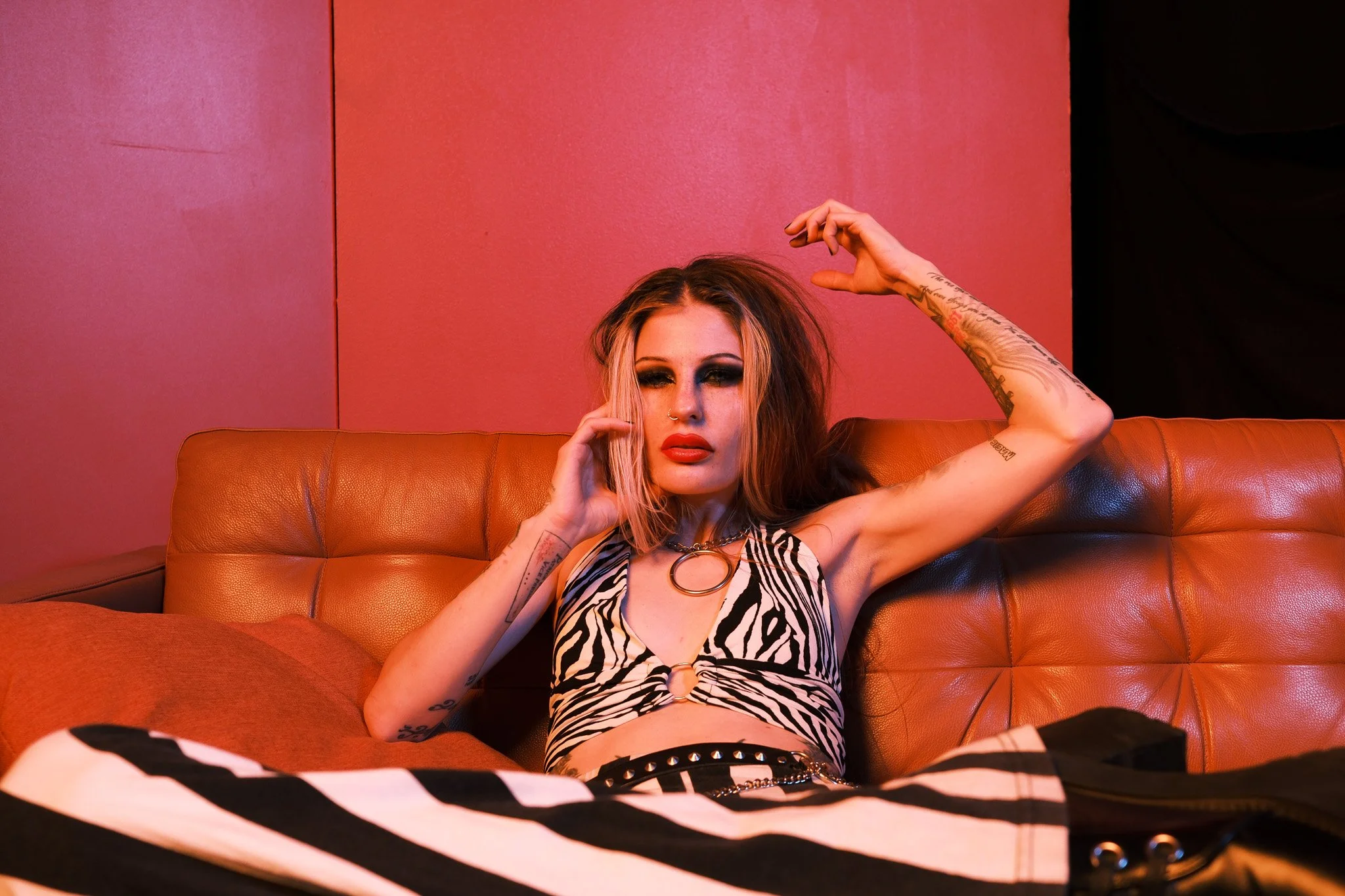
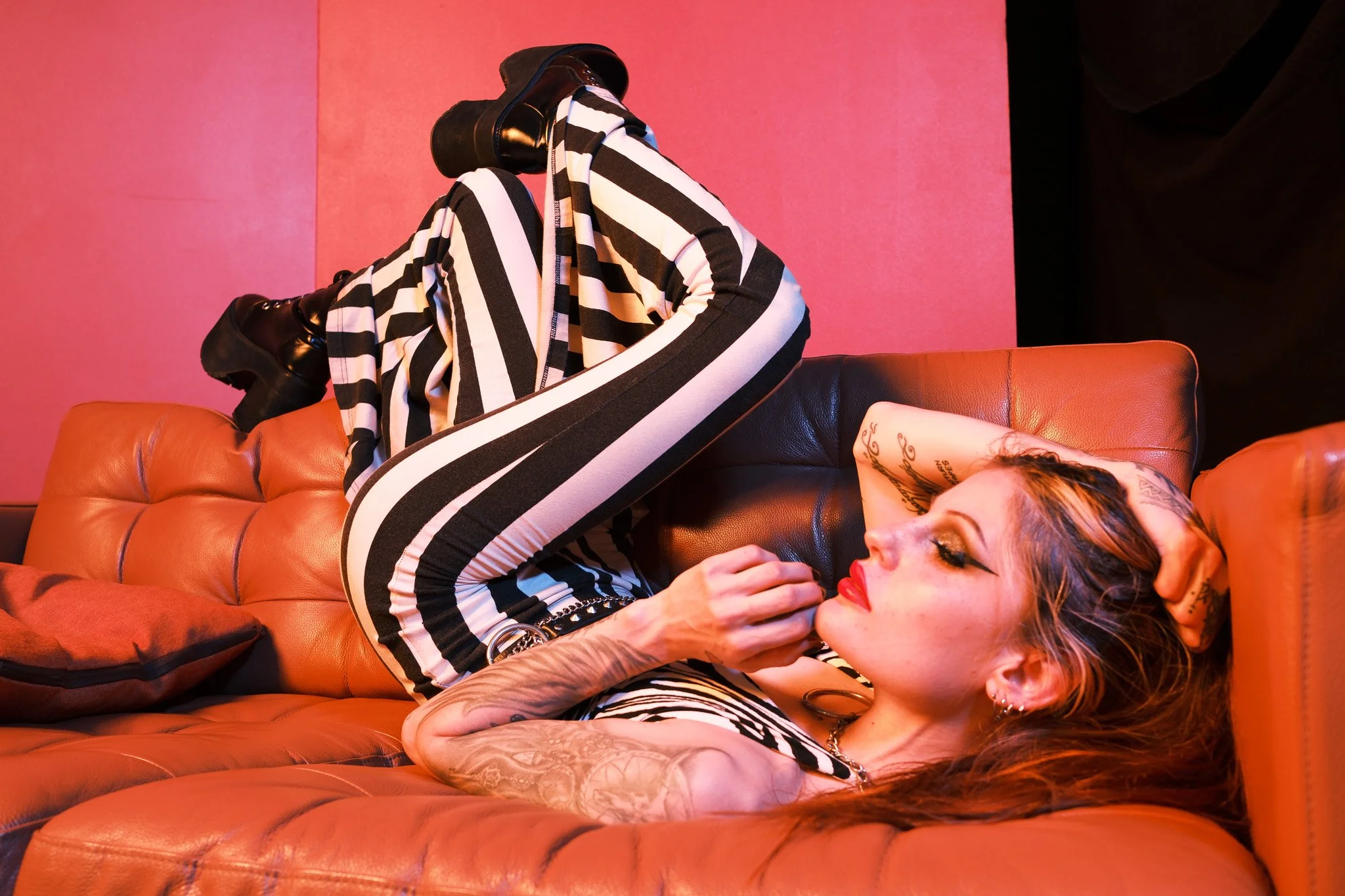
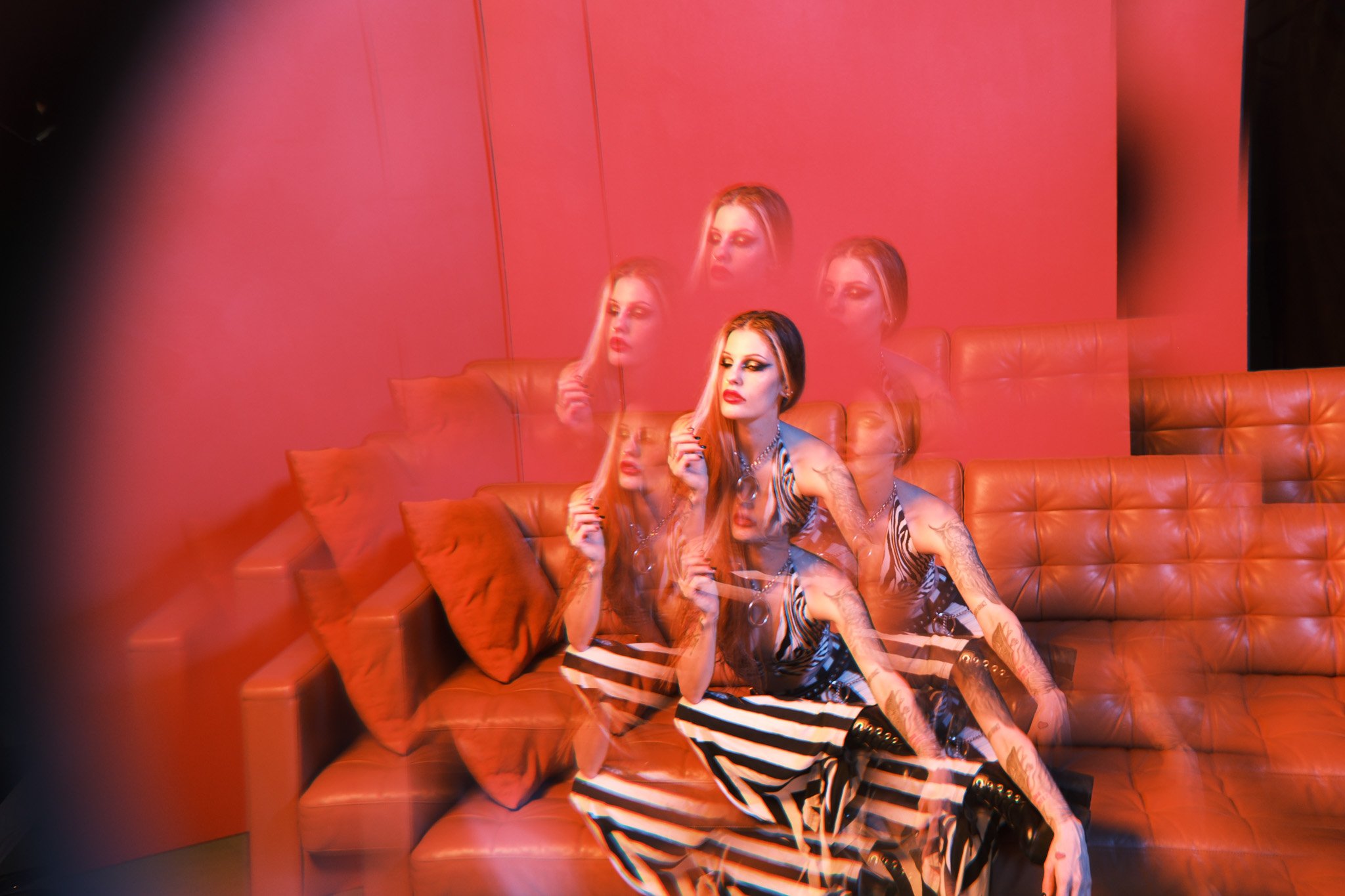
Lisa Kejaos: Came prepared with multiple outfits, including a retro striped set that gave the photos a timeless, editorial vibe.
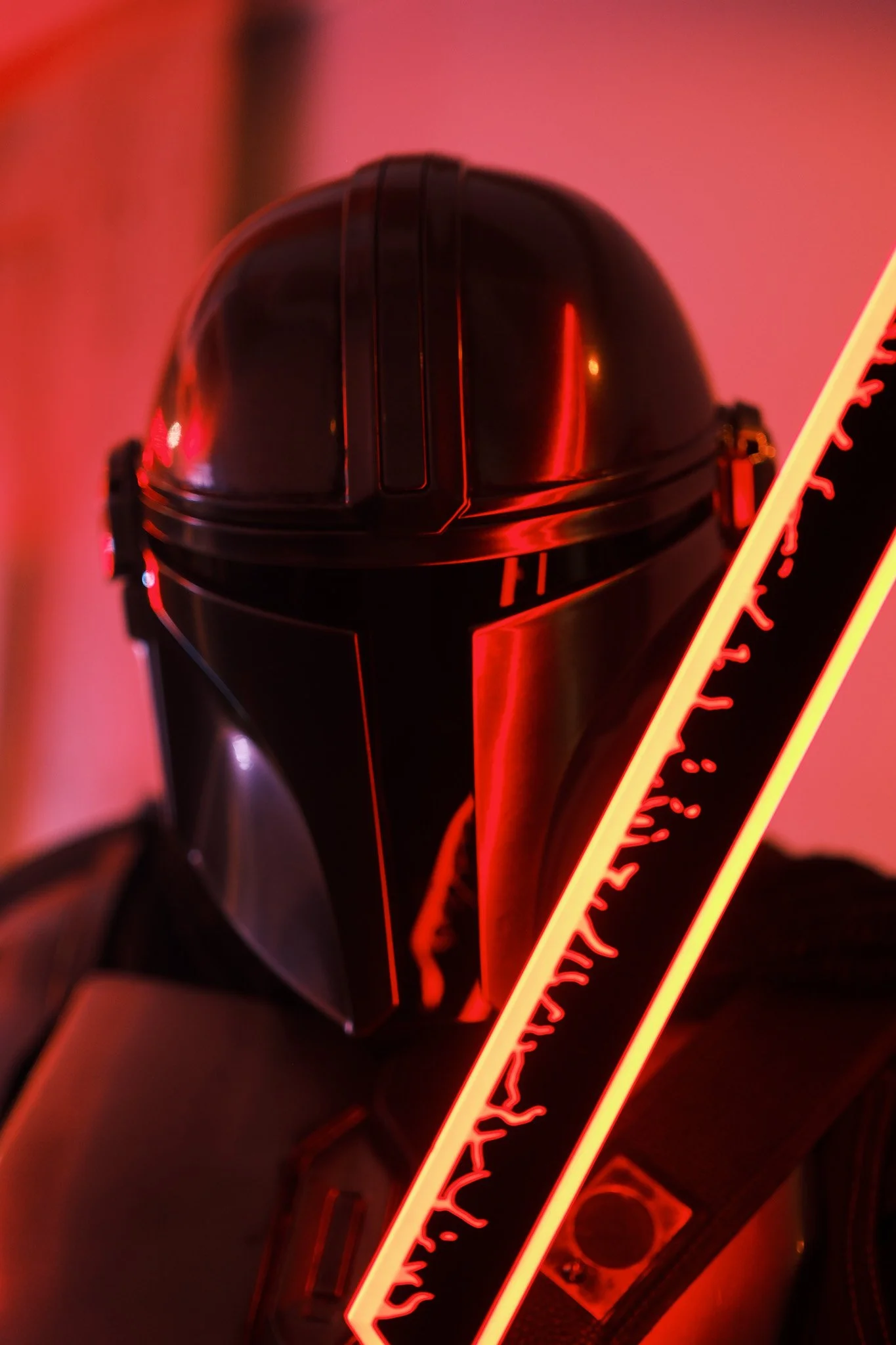
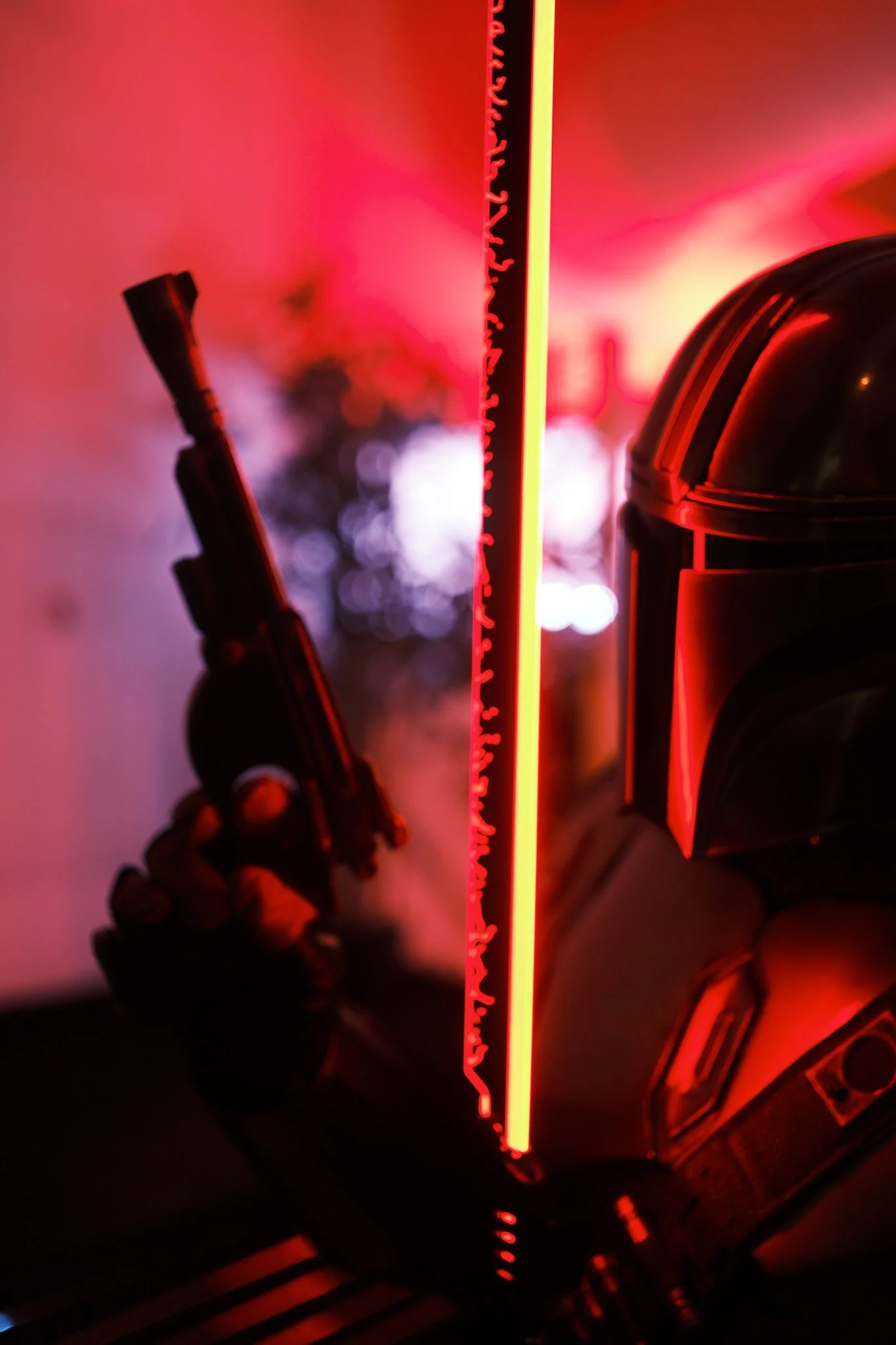
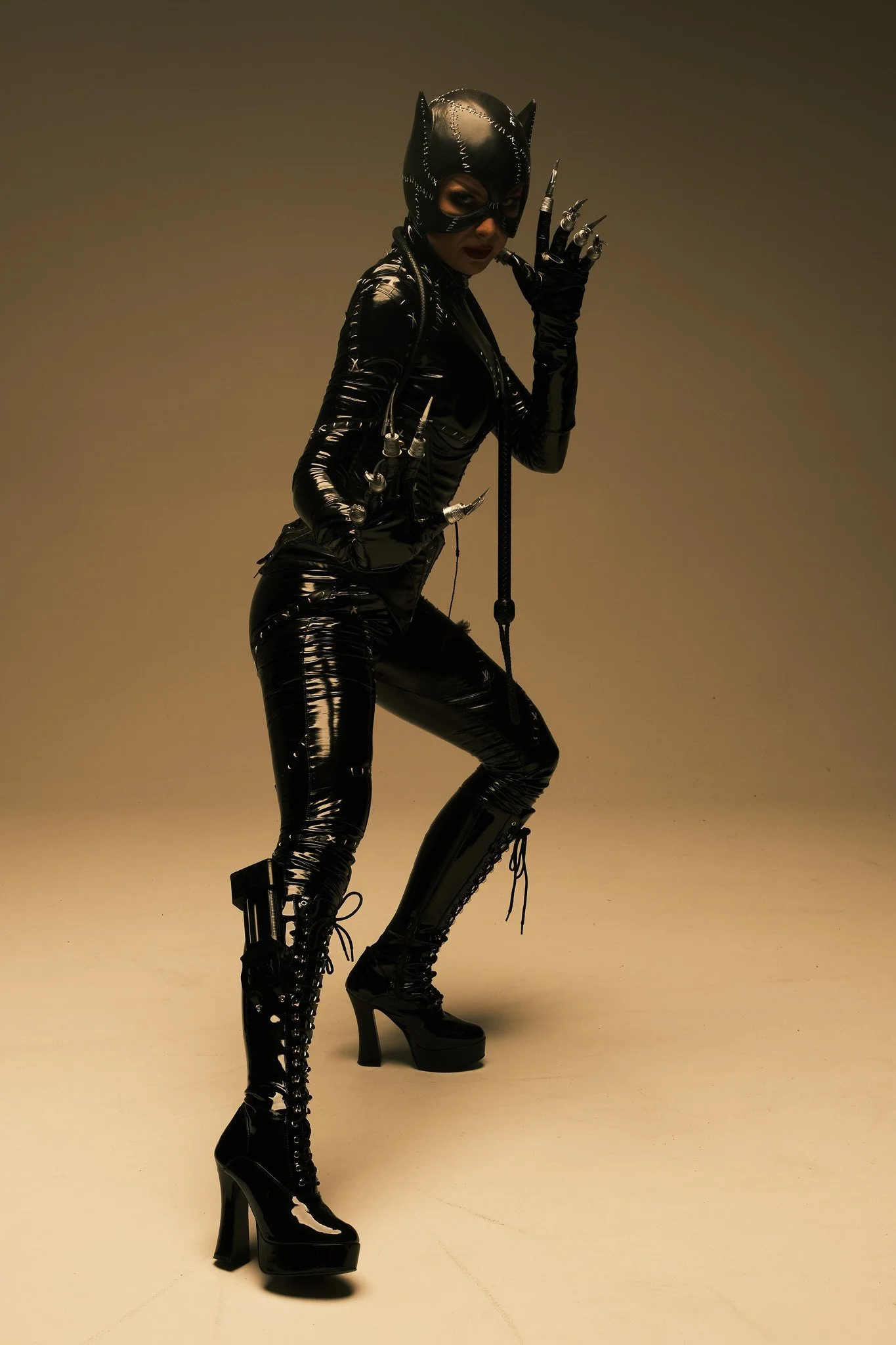
Patricio Ramos: Brought his full Mandalorian costume, which worked perfectly for darker, neon, cyberpunk-style portraits.Mariia Glade: Added contrast and character with expressive poses and theatrical makeup.
Victor Chen
Lisa Kejaos

Patricio Ramos
Mariia Glade
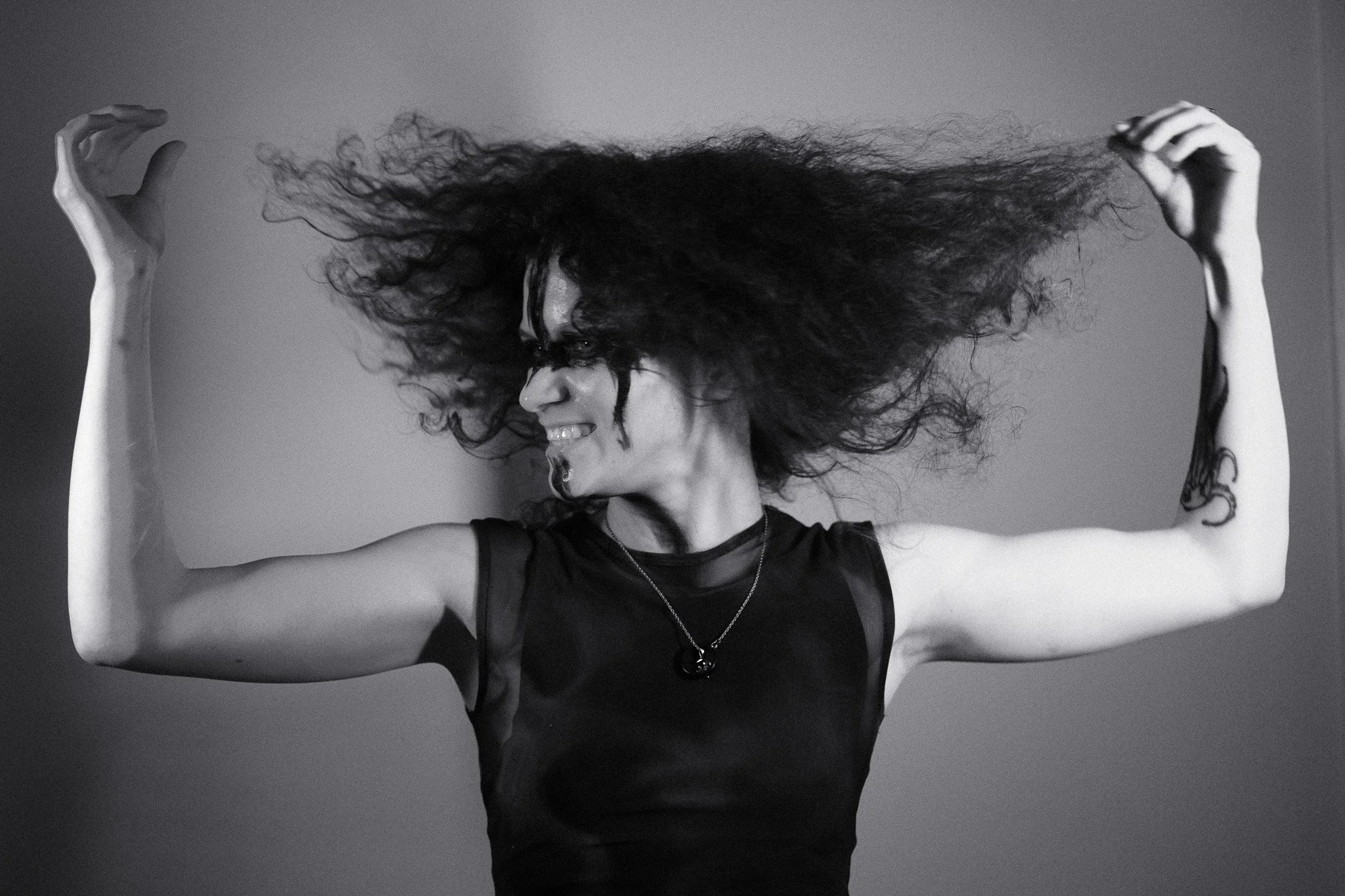
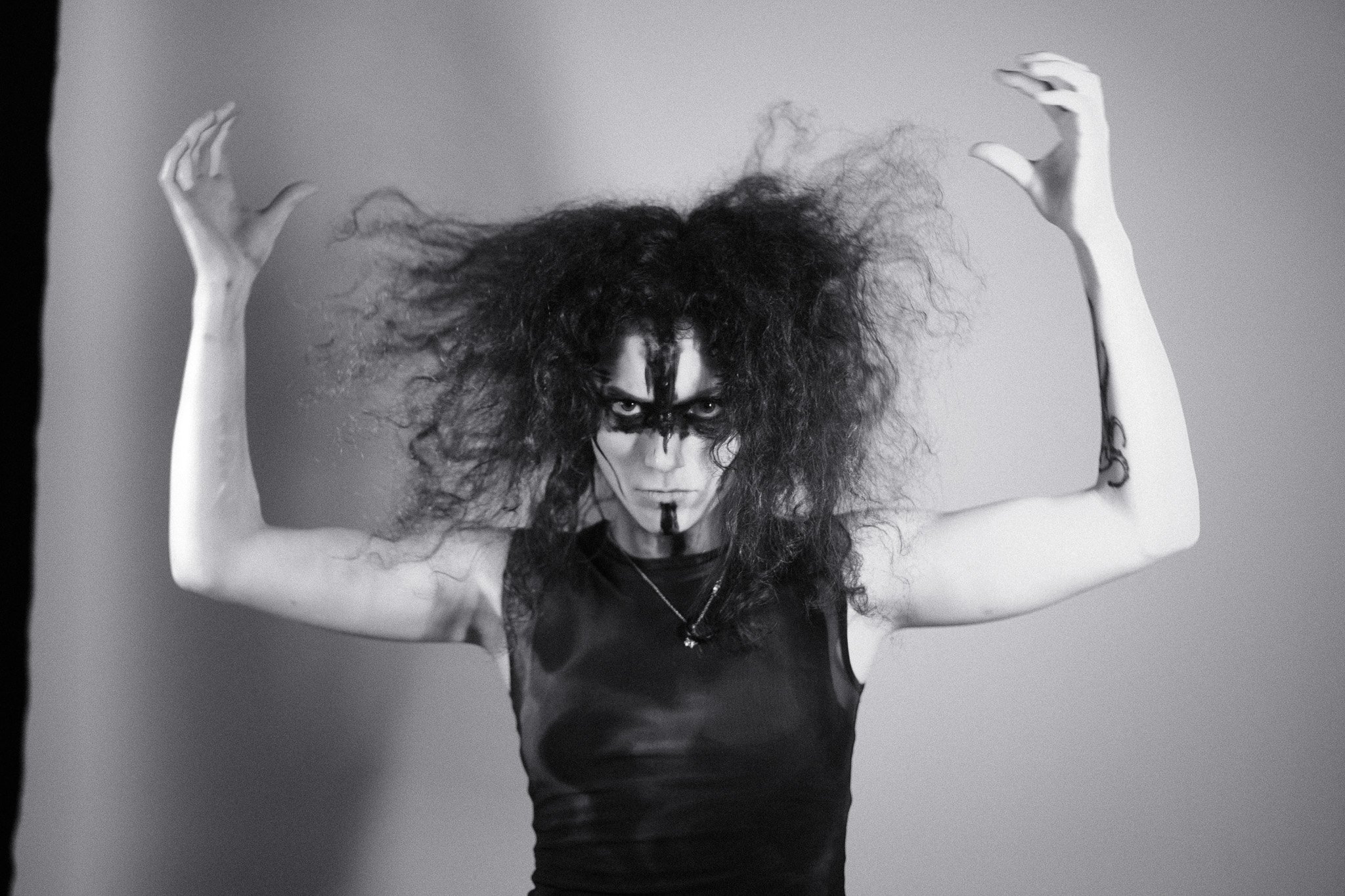
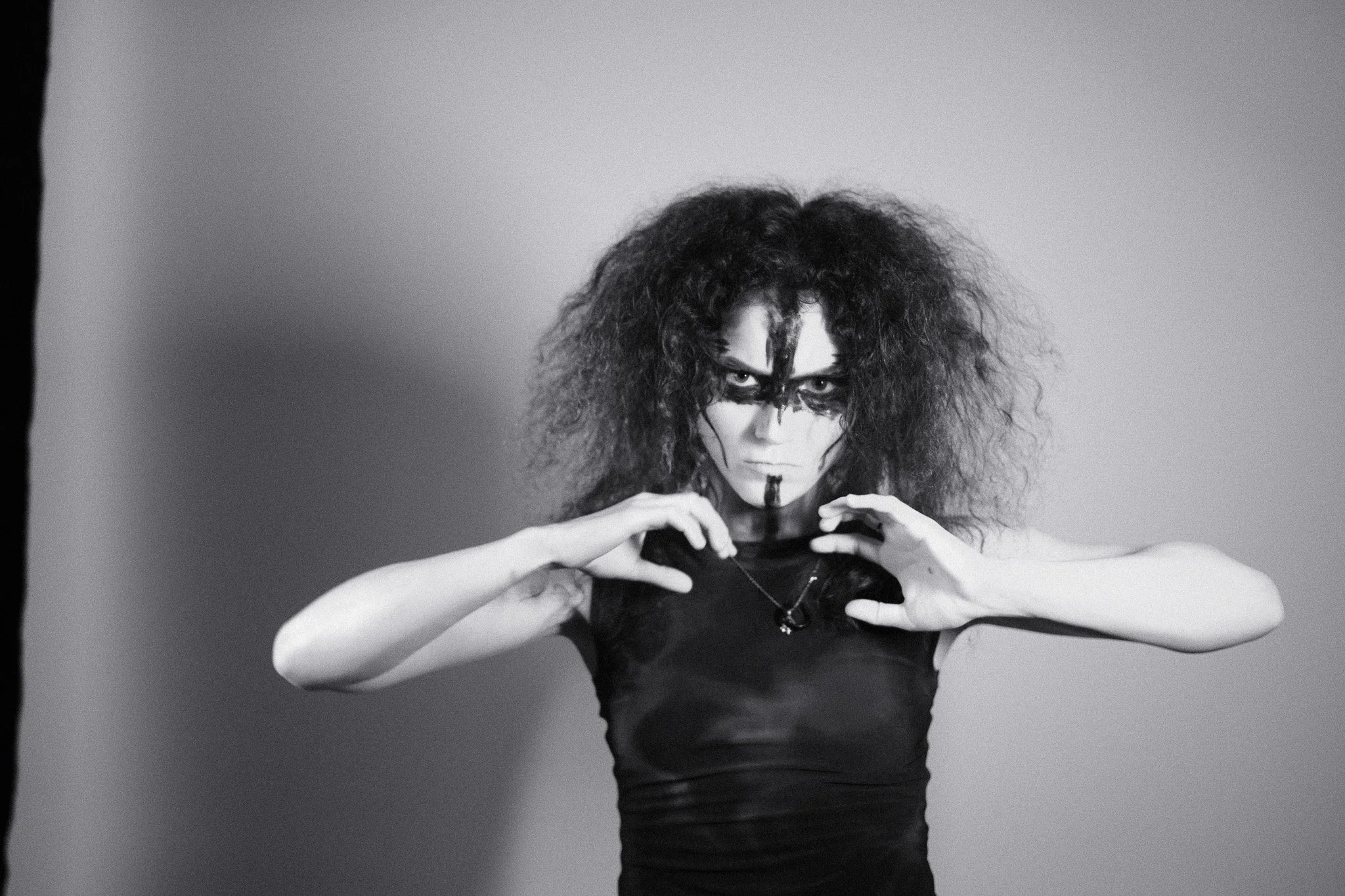
Nea Katariina
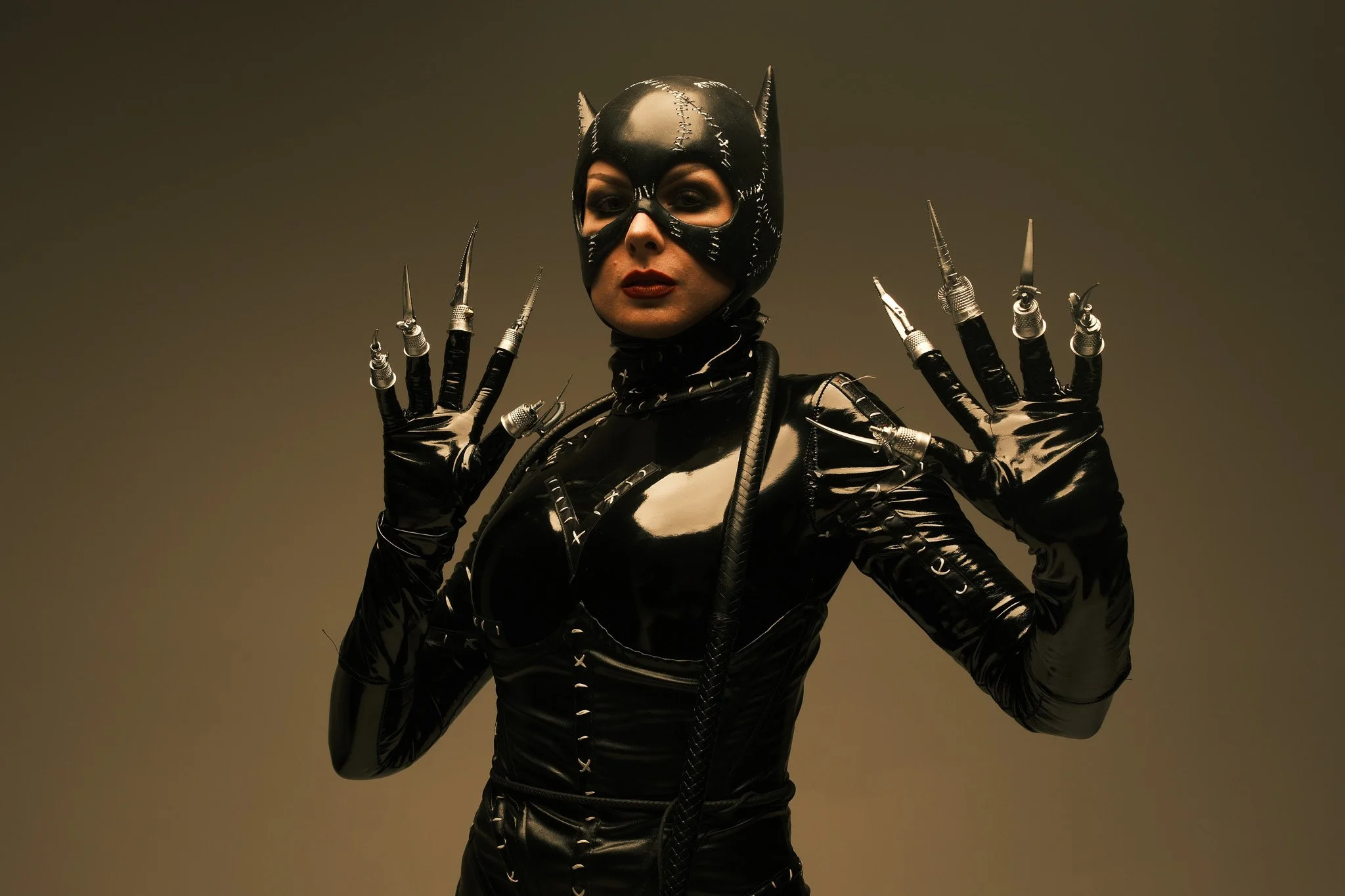
Shoutout to Anna Atensio who also modeled, but I only got video of her which you’ll find on my Instagram. Anna combined creative posing and distinct styling for artistic, high-contrast shots.
Makeup:
Second shoutout goes to Maria Vinnardag who handled the makeup, whose subtle but effective work tied together the entire look and tone of each setup.
Exploring the studio setup
This session at Studio Tellus was a chance to experiment studio photography techniques.
I started with a simple one-light setup, using a softbox angled at 45 degrees, a reliable base for balanced portraits. Once I felt confident with that, I began adding and moving lights to explore shadows, highlights, and reflections.
Here’s what I found valuable through that process:
Light placement changes everything. Even a few centimeters can shift how facial features catch the light.
Reflectors are underrated. They can fill shadows beautifully without needing another light.
The backdrop sets the tone. I switched between neutral, colored, and textured backdrops to match each model’s style.
Directing helps more than adjusting. Once the technical side is set, guiding your model’s posture and mood makes a big difference. Luckily the models at this session were all awesome at self-directing already, but it was when I started directing for a specific type of shot, that my photos ‘stepped up’ in quality.
Review constantly. Checking shots on the camera helped me refine the light direction and exposure between sets.
Final thoughts & how to collaborate:
The workshop reminded me that studio photography is as much about collaboration as it is about technique.
Every shoot is a chance to experiment, learn, and bring different stories to life.
If you’re interested in studio portrait photography in Stockholm, or want to collaborate on a creative shoot, feel free to get in touch. I’m always open to new projects, whether for personal branding, artistic portraits, or creative collaborations.
Get in touch:
